Creating an LGBTQIA+ Inclusive Work Culture
LGBTQIA+ is an acronym for lesbian, gay, bisexual, transgender, queer, intersex, and asexual/aromantic/agender, with the + representing many sexual orientations and gender identities that are not listed in the LGBTQIA portion of the acronym. (If you would like to learn more about these terms and their definitions, please consider taking our 10-minute GEM™ called The GayBC’s of the LGBTQIA+ Acronym.)
Until around the late 19th century, we did not have terms to define diverse sexual orientations or gender identities. This means that many of us may believe that LGBTQIA+ people didn’t exist until recently. The truth is that LGBTQIA+ people have always existed. We just didn’t have the terms and definitions to understand them until recently. The language used to name and define the different sexualities and gender identities is ever growing and evolving, as we continue to learn more.
Why Diversity and Inclusion in the Workplace is Important
Over their lifetime, the average person spends about 90,000 hours at work. This equates to a third of our lives. Take a minute to absorb that. If we’re spending at least 1/3 of our lives at work, we all want to be able to work for organizations that actively include and support us as employees. Yet, research shows that the LGBTQIA+ community is underrepresented in the workforce. Because they are underrepresented, they often feel isolated or like they need to hide their identity. Consider how it would feel to hide who you are for 1/3 of your life. This is why inclusion is so important. (To learn more, consider taking our GEM on LGBTQIA+ Inclusion in the Workplace.)
The Organizational Advantages of Workplace Diversity and Inclusion
In today’s world, companies understand there are great benefits of a diverse and inclusive workforce. Some are taking advantage of opportunities to increase the diversity of their employees through inclusive recruitment practices. (If you would like to learn more about how to effectively recruit a diverse workforce, consider taking our GEM on the Inclusive Recruitment Process.)
Here are some of the benefits of a diverse and inclusive workforce:
- New perspectives and increased innovation. Research has shown that diverse teams are more productive, more creative, avoid groupthink, and have a better potential for innovation than teams made up of people from similar backgrounds.
- Increased engagement for employees. It’s probably not a surprise to learn that employees who feel like they are included and welcome will be more engaged with their work. Employees who are engaged are more likely to go the extra mile for an organization.
- Performance improvement. Research shows that companies who are diverse and inclusive increase their ability to capture new markets by 70% compared to their competitors.
- Increased revenue. While diversity and inclusion efforts provide significant benefits to employees, it’s worth noting that the efforts also pay off financially for organizations. Companies that do well in their diversity and inclusion efforts report higher revenue than their competitors–and we’re talking 19% higher.
How To Create Diverse and Inclusive Workplaces for LGBTQIA+ Employees
Considering how many LGBTQIA+ employees feel isolated and that they need to hide their identity, organizations should take proactive actions to support their LGBTQIA+ employees, even if they are not aware that they have any.
Here are some ideas:
- Include sexual orientation and gender identity in the company’s nondiscrimination policy. As of 2017, 91% of Fortune 500 companies have anti-discrimination policies that include sexual orientation and 83% include gender identity. Every Fortune 10 company includes both.
- Assess the organizational climate for LGBTQIA+ employees. This can be done through anything from casual, everyday conversations to formal anonymous surveys asking for feedback on how diversity and inclusion efforts are working (or not working) at the organization.
- Provide training opportunities. Organizations should be sure to offer training to all employees on expectations for working with others—such as bias awareness training, Safe Zone training, and appropriate awareness training on topics related to sexual orientation and gender identity.
- Create employee resource groups. The existence of an LGBTQIA+ employee resource group provides employees with an opportunity to come together and find community and support. A group like this can also guide the organization on inclusion areas that need improvement.
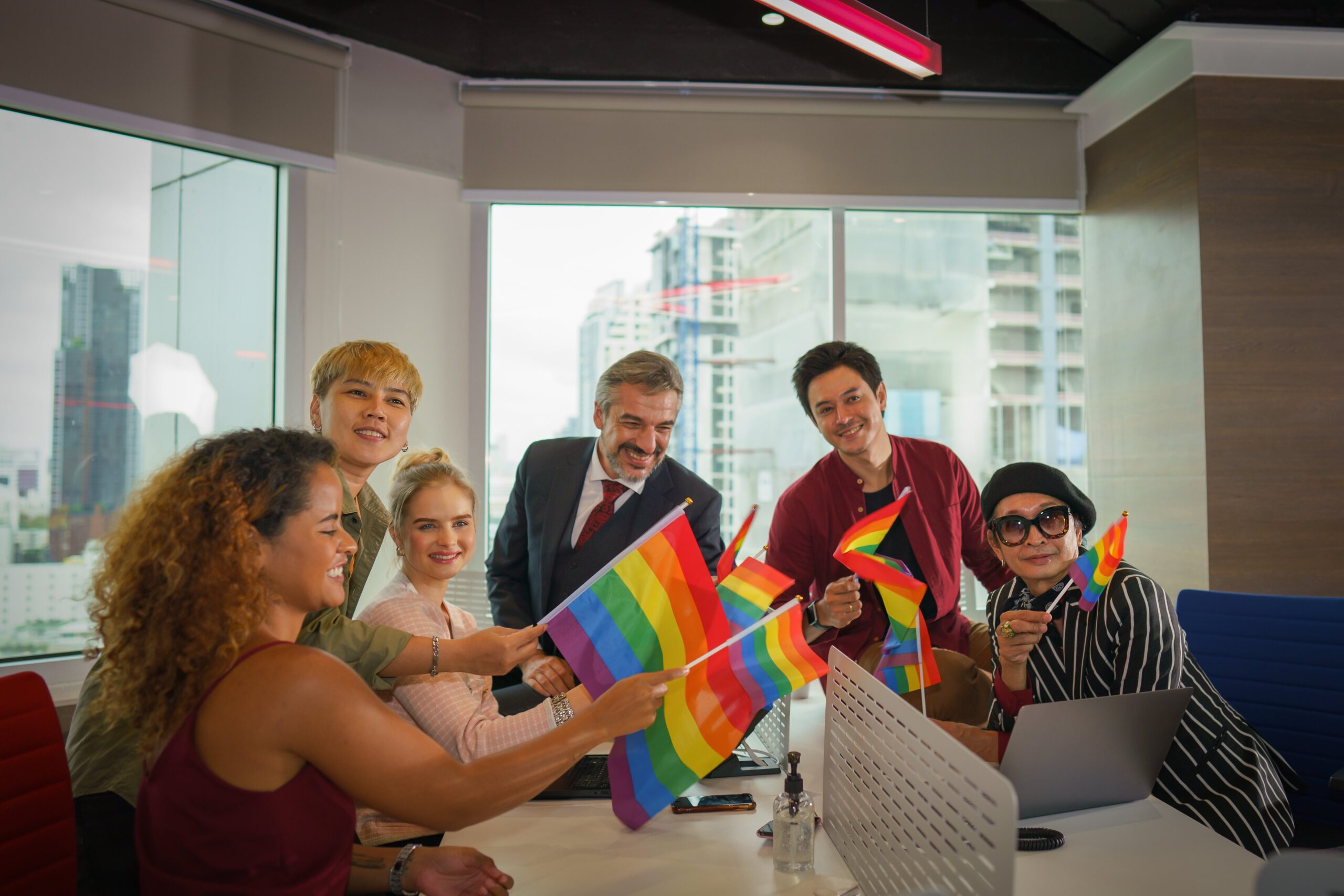
- Celebrate, honor, and observe. There are many opportunities to celebrate, honor, and observe the contributions of those in the LGBTQIA+ community. Be sure your company celebrates LGBTQIA+ Pride Month, honors LGBTQIA+ History Month, and observes the Transgender Day of Remembrance. There are many other opportunities that can be celebrated, honored, and observed.
With a lot of awareness and trainings, an incredible number of employers are committing to implementing LGBTQ-inclusive policies and practices. Embracing an inclusive and conducive work culture not only creates a healthy and positive work atmosphere but it also promotes open communication, and most of all, heightened morale for LGBTQIA+ employees.